Transforming Dining Experiences with Restaurant Digital Menus and Menu Boards
The modern restaurant business is highly competitive, and restaurants are always seeking new methods to improve customer experiences, to optimize their operations and improve their sales. The restaurant digital menu is one of the most promising tools that have become popular in this endeavor. These new and vibrant displays substitute the old paper or fixed menu boards and come with a range of benefits which are beneficial to both the restaurant owners and the guests.
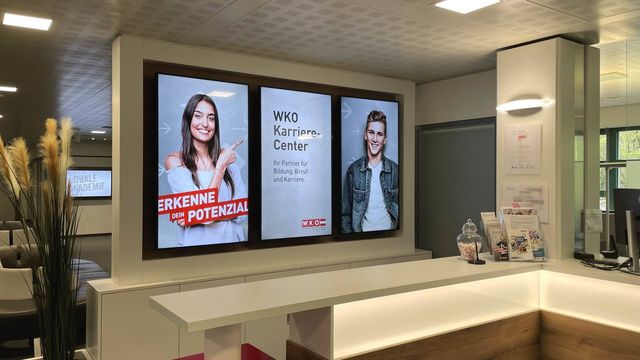
The modern restaurant business is highly competitive, and restaurants are always seeking new methods to improve customer experiences, to optimize their operations and improve their sales. The restaurant digital menu is one of the most promising tools that have become popular in this endeavor. These new and vibrant displays substitute the old paper or fixed menu boards and come with a range of benefits which are beneficial to both the restaurant owners and the guests.
Digital menus are transforming the way customers experience food options, with slick restaurant digital menu boards installed above the counter, interactive tablet-style menus at every table, and everything in between. It is time to discover why restaurant digital menus are a must-have investment in the modern food business.
What Is Restaurant Digital Menu?
Restaurant digital menu an electronic display system used by restaurants to display their offerings in a digital format, typically on screens, tablets, or kiosks. Such menus are frequently tied to a content management system (CMS), which enables restaurant owners or personnel to easily create real-time content updates. Digital menus can feature the names of items, their descriptions, prices, pictures, nutritional information, and even videos to show special items or offers.
Restaurant Advantages of Digital Menus
1. Real-Time Control and Instant Updates
Among the greatest strengths of digital menus, there is the possibility to change it instantly. The need to change a price, delete an out-of-stock product, or add a new dish, can all be done remotely and in real-time. This flexibility can be of particular assistance during rush periods or menu changes such as breakfast to lunch.
2. Augmented Customer Experience
The use of eye-catching images, animations and interactive layouts complement the dining experience to the customer. Impulse buying is frequently caused by high-quality food pictures and interesting content. Dynamic elements that allow customers to choose more specific and informed decisions such as search filters (e.g. vegetarian, spicy, gluten-free) give customers a sense of power and individuality.
3. Location-to-Location Consistency
In the case of franchises or restaurants having multiple locations, digital menus provide consistency between the brand and menus. Under centralized control, the updates can be implemented in all the locations at the same time, preserving consistency in price and brand.
4. Long Run Cost Efficiency
Digital menu boards are costly to implement, but they minimize the cost of long-term printing. The restaurants are not required to print out new menus whenever an update or change occurs, saving both time and money.
5. Upselling and promotion
Dynamic content enables restaurants to place items with high margin or limited time offers in prominent places. These promotions attract the attention of the customer and promote upsells without any extra effort of the staff with the help of animations or color highlights.
Restaurant Digital Menu Boards Types
Digital menu boards have a number of styles that fit different restaurants:
• Wall-Digital Menu Boards Arrangements: These are primarily given in QSRs, as a huge case display that provides a concise and appealing summary of menu items.
• Self-Service Kiosks: These are perfect with fast food or casual restaurants since the customers can browse, order, and pay independently.
• Tabletop Tablets: These are the best for casual or posh restaurants, as they offer interactive menus, which can entail ordering, reordering, games, and payment.
• Drive-Thru Digital Menus: Drive-thru outdoor displays that are sometimes combined with the ordering and payment systems.
Implementation Considerations
The following are some of the considerations that restaurants should put in place when considering the integration of a digital menu system:
• Hardware Quality: Select commercial screens and high brightness with durability that can be used over a long period.
• Software Support: The presence of an efficient content management system is very important. It must be user-friendly and provide such options as the ability to schedule, provide real-time updates, and be compatible with POS systems.
• Design and Layout: Good design is the key to usability. Make the menu legible, well thought out, and attractive to the eye.
• Internet Reliability: The stable internet connection is imperative to the remote updates and synchronization.
Restaurant Digital Menu Boards in Action
Even the top fast-food restaurants such as McDonald and Starbucks have already adopted digital menu boards in their digital journey. Independent restaurants and smaller chains are fast catching up, using this technology to keep up and remain current.
Digital Menus of the Future
Digital menus are becoming smarter as customer expectations and the available technology increase. This can be integrated with AI and analytics to give an understanding of customer preferences and propose individual upselling opportunities. Touchless technology and mobile integration as well as voice-enabled ordering are becoming increasingly prevalent.
Conclusion
The use of restaurant digital menus and restaurant digital menu board is not merely a trend anymore, but a strategic decision to improve the service, simplify the operations, and increase profits. Digital menus are a major step up in terms of both visual presentation and efficiency. With the ongoing growth in technology, restaurants who adopt these tools will be better placed to satisfy the evolving needs of their customers as well as remaining ahead in the competitive market.
Are you a local diner or a fast-food chain? It is time to get digital and modernize your menu experience.